
Closed · November 30th, 2025
Pittrace
Wampum / Pittsburgh area, PA
2.779
Miles
19
Turns
53 ft
Drop (T4→T5)
$15M+
Built
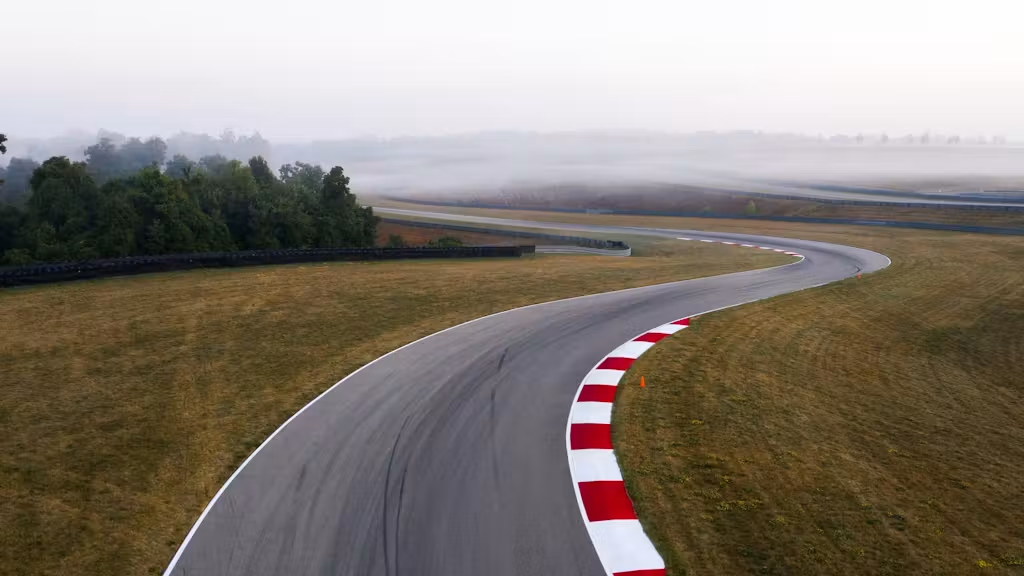
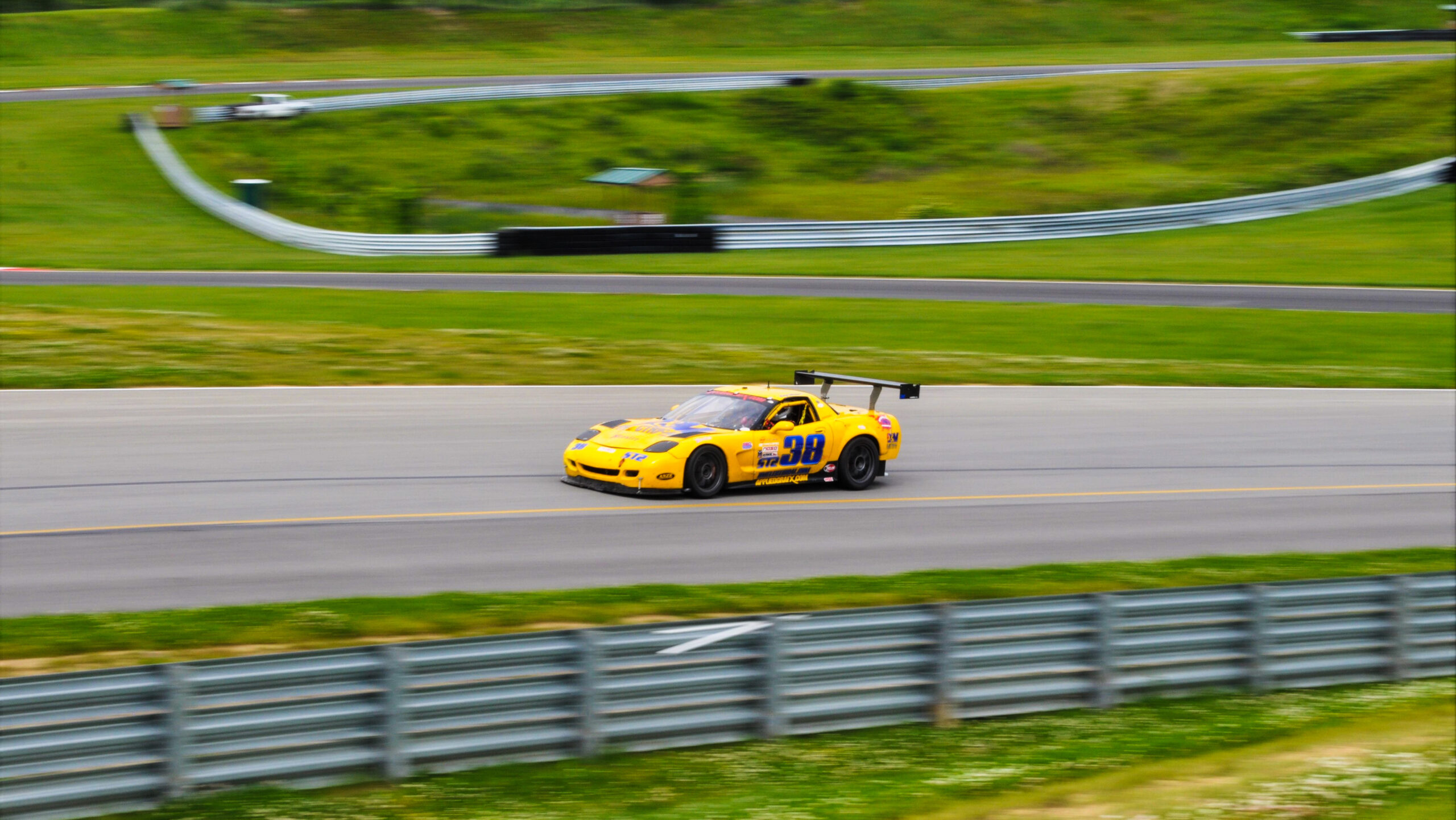
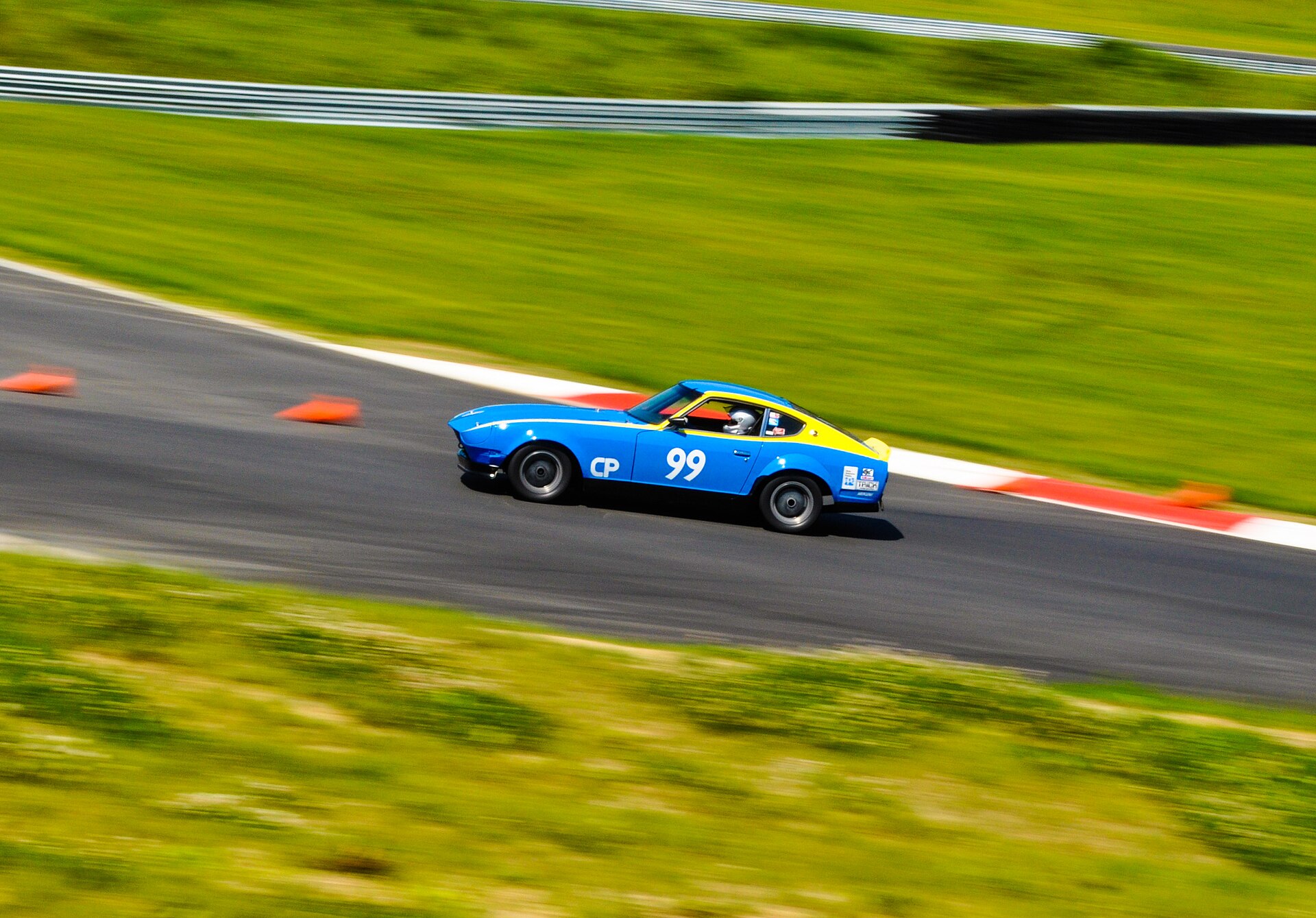
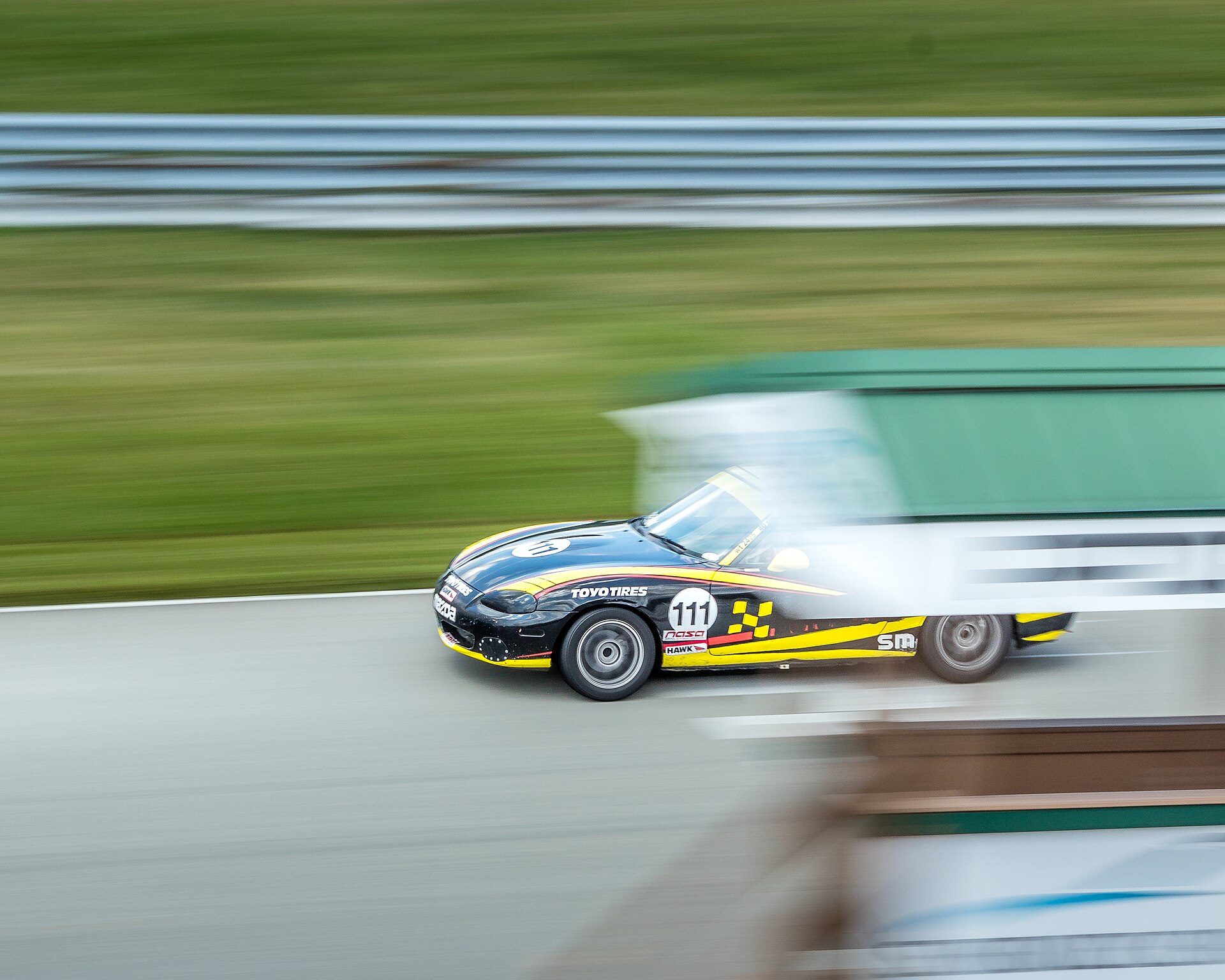
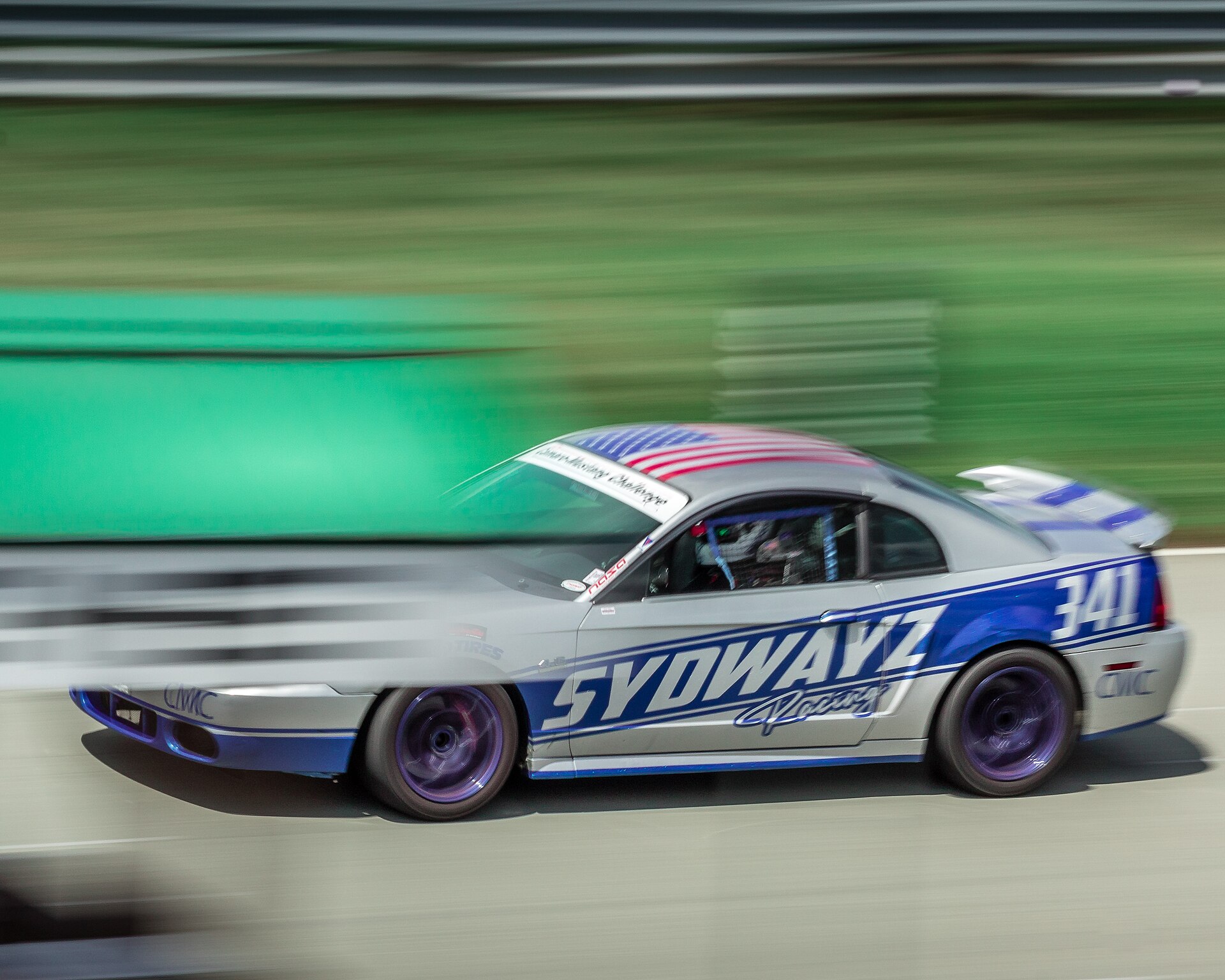
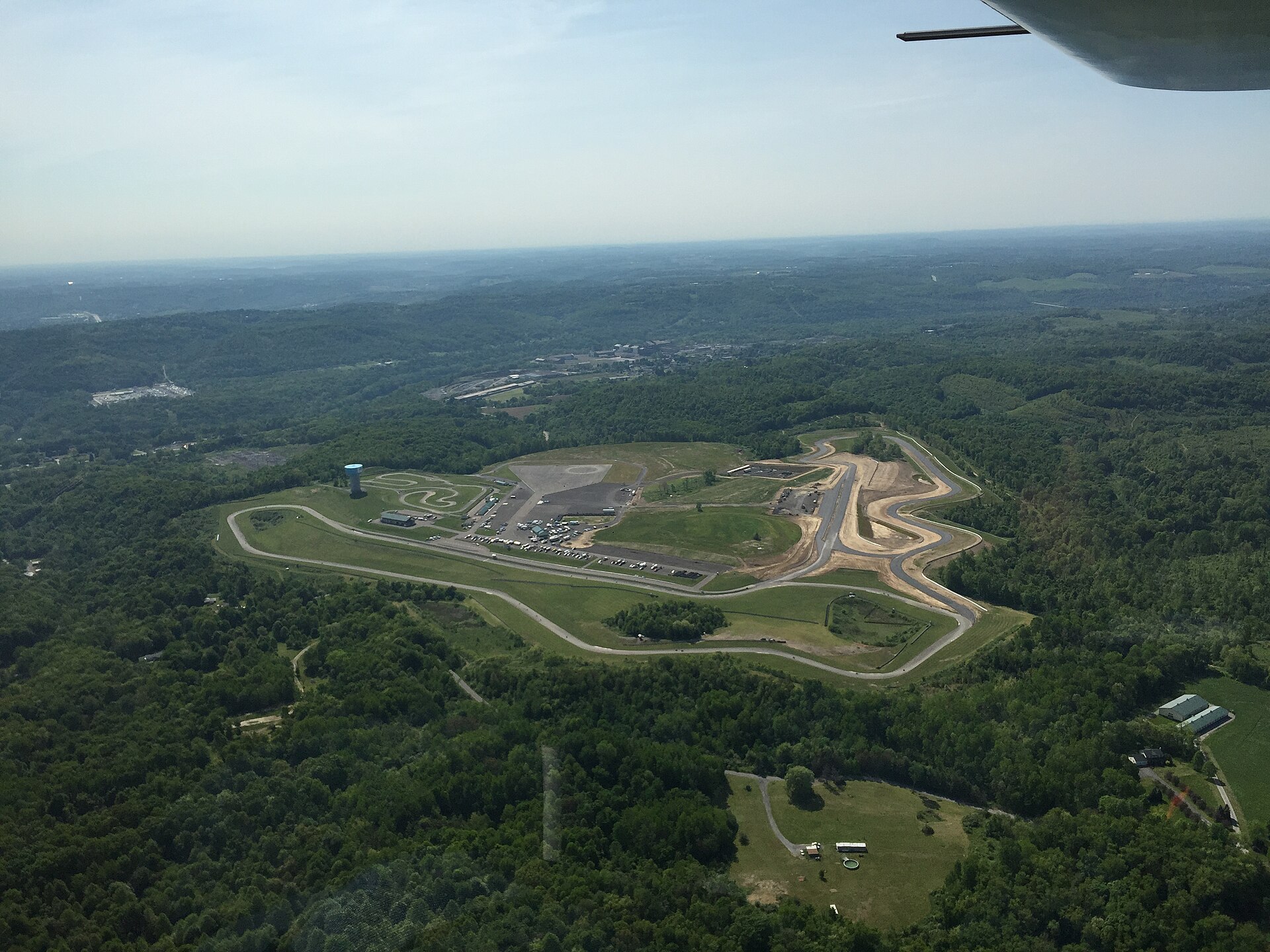
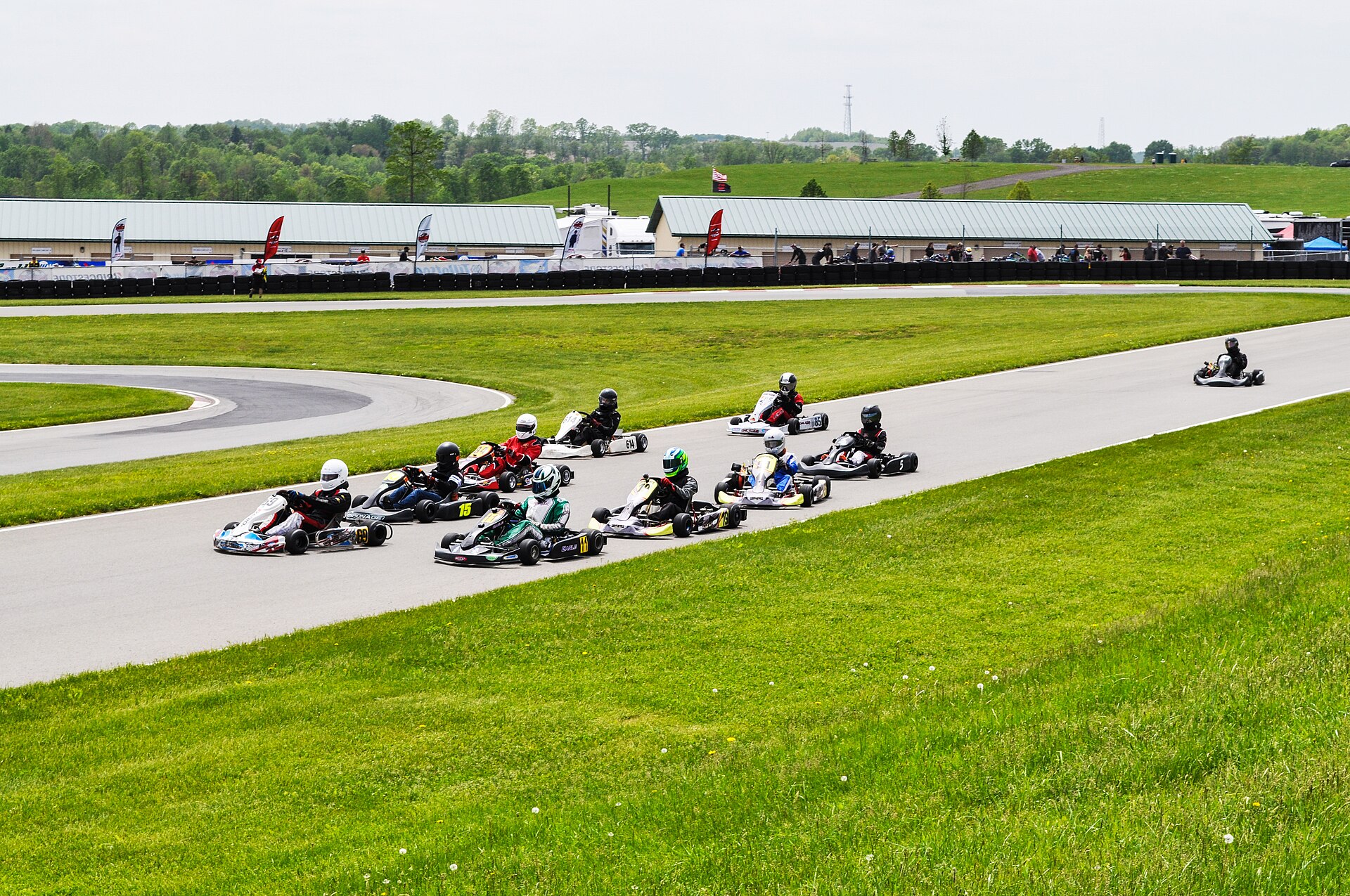

Photo sources
Track photos only. Credits stay with the shooters.
Open files (Wikimedia Commons)
How to read this record
- Status — Operating / Closed / For sale describes the venue’s public state, not a campaign.
- Category — Road courses live under Road Courses. Dirt ovals and clay plants live under Dirt Courses.
- Three desks — Operator runs race days. Landowner holds the deed or lease. Land-use body is the city or township that zones the parcel. They are often three different names.
- Postal city ≠ government — Mailing brands (Clarkston, Rossburg, New Weston, etc.) are not always the zoning desk. Trust the town box on this page.
- Specs — When club figures and reviews disagree (turns, mileage), we print both. We do not invent a single number.
- Gifts — A donation to Save Tracks Dot Org Foundation funds this cited record. It does not buy land and is not a gift to the operator or landowner. (Example: OCSC at Waterford is a 501(c)(4) — gifts there are not 501(c)(3) deductible.)
- Corrections — Tip or source fix → Contact (topic: Correction / source).
Forty-five minutes north of Pittsburgh. Off I-76 Exit 13, up Route 18, onto a hill that used to be a mine. For twenty-three years this was the only purpose-built public road course that metro actually had. Then it wasn’t.
Why this track mattered
Western Pennsylvania is a big place with almost nowhere to go fast on purpose.
If you lived in Pittsburgh and you wanted a real road course — hills you could feel, runoff you could use, a paved paddock, a six-acre skidpad, a kart track, and a gate that opened to club racers instead of a country-club list — you drove here. Next places that even rhyme with it: Nelson Ledges, Summit Point, Mid-Ohio, Watkins Glen. Fine tracks. Different Saturday. This one you could make and still be home for dinner. That’s the scarcity. Geography, not a slogan.
They didn’t stumble into that. They poured it, paused it, bought it out of bankruptcy, and poured it again. The investment is the argument.
Donations fund heritage education, not data-centers
How they built it
Land first
Tim Silbaugh and Tom Wettach stitched together parcels that had been coal mines and a refuse dump. The Post-Gazette, April 2003, said they’d already put nearly $7 million into assembling and fixing that ground. RacingCircuits.info calls it a 384-acre plot next to a former strip mine. Reclamation with a racing line.
Phase 1 — 2001–2003
December 2001, dirt moves. Earl Seiler runs construction. Trees to asphalt in about six months. Roadracing World, July 2002: the Wilson Circuit opened first — eight-tenths of a mile, 18 turns, built to CIK spec, sold as one of three national-grade kart plants in the country. The 1.6-mile North course followed within two weeks. Brand-new sticky mix, 36 feet wide all the way around. Alan Wilson on the elevations: real earthmoving, barriers for banks and drops, not a flattened parking lot. By 2003 the six-acre Vehicle Dynamics Area / skidpad is open. Contemporary write-ups put the first-phase bill around $6.7–7 million. Offices were trailers. The South course was already on the drawings — they talked about a 2.2-mile loop for 2004.
The pause — 2004–2010
2004: trees come down for the extra mile. A 12,000-square-foot event center goes up on the bluff over the North track. 2005: Governor Rendell’s office sends $100,000 toward the expansion. 2006: the money weather turns and the South loop stops in the dirt. 2010: Chapter 7. What you had on the hill then was a good 1.6-mile club track, a kart loop, a pad, an event center, and a dream with no pavement on the south side.
The buy — 2011
Jim and Kathy Stout were already small investors from 2002. They buy the whole place out of bankruptcy. Kathy told RACER they first liked the land. Then they decided the region needed a club track done right. They rename it Pittsburgh International Race Complex and announce a three-stage renovation at about $6 million. Timesonline, 2013: that six million is already in motion — more track, the event center finished as a real building, karting and corporate rentals added so the weekends aren’t the only revenue. President Mitch Wright’s number from that piece: 700–800 participants on a busy weekend, 2,000–3,000 people on the property. They pave the paddocks so you’re not standing in mud next to a trailer.
South Track — 2015
Twelve years after it was drawn. Marketing director Dominic Cincotta told the Times the new 1.2-mile South loop cost several million on its own. Opens Friday, July 2015. Pittsburgh Vintage Grand Prix cars shake it down that weekend. Natural terrain, elevation, blind curves — same Wilson idea, second verse. Bolt it to the North and you get 2.779 miles, 19 turns. Run them apart and you can hold two events at once. The Vehicle Dynamics Area gets expanded in the same renovation wave. Steel Cities SCCA writes new track records on the combined course that August because there aren’t any yet.
The 2017 plant
Both circuits come up. North is regraded and resurfaced over winter 2016–17. Jim Stout, to RACER: 16-inch concrete base under the asphalt so Pennsylvania winter doesn’t heave the racing line. They drive it themselves before they set the apex curbs. New timing and scoring building on North pit lane. New administration building. MotoAmerica needs a chicane into Turn 16 because a cliff sits behind the wall; they lay extra asphalt and extra runoff. Motorcycle full course becomes 2.781 miles / 21 turns. Everybody else keeps the original line and inherits the extra runoff.
Garages and the rest
Event center building: 155 × 44, two stories, fourteen garage stalls in that structure, two classrooms, showers both floors (official spec sheet). Separate 92 × 44 garage building, eight stalls. Kart center 50 × 44. Sixteen rentable roll-up bays split North paddock and event center, 12×12. Hot pit about 900 feet by 60 feet. Fuel 93 / 100 / 110. Doug Weaver told the paper they were still putting up new garages and paddock pavement near the end. This was not a plant they let rot.
The check
First-wave build: ~$7 million including wrecked mine ground. Stout renovation program: $6 million announced, “several million” more for South alone. Track’s own number in the Post-Gazette: Stouts put more than $15 million into the place across fourteen years. March 2026 sale: $50 million. That’s what a finished public road course on this hill was worth to someone who does not race.
What that money bought
- Pavement 36 feet wide
- Kart loop 26 feet wide, 0.8 miles
- Full car course 2.779 miles / 19 turns (motorcycle full 2.781 / 21)
- Turn 4 onto 5: official sheet lists a 53-foot fall over 667 feet at 6 percent
- Turn 4 itself drops 16 feet at 8 percent camber
- NASA’s John Allen: Turn 5 is an 82-foot drop into an 85-foot climb
- Turn 6 climbs another 36 feet; straight after 6 is 1,249 feet with a blind rise
- Lapmeta logged laps: about 263 feet of vertical gain on a full circuit
- Six-acre VDA plus a 400-foot-diameter dry pad
- Two paved paddocks; hot pit ~900 × 60 feet
- Event center on the bluff, 12,000 sq ft
- Quick Spec Miata around 2:08
- Atlantic record: Keith Grant, 1:31.172 (2020)
- Superbike: Cameron Beaubier, 1:40.550 (2020)
They built it twice. The second time they built it like they meant to keep it.
Then the land under the concrete base appraised higher as a data-center.
Local racing scene
This is the part people from outside the county miss.
Steel Cities Region SCCA — Region 39, five hundred members, racing out of Pittsburgh since the 1950s — called Pitt Race home. Their crown jewel was the Cumberland Road Race, one of the longest continuously named events in the country, born on a Maryland airport in the early ’50s and later run here as a double regional. They also used the property for Solo, Time Trials, and Track Night in America. When the gates shut, Steel Cities didn’t get a spare Wilson-designed hill down the street. They got a calendar hole. RACER sat Dennehy-Rodriguez down and asked what that does to grassroots racing. The short answer: it hurts.
Allegheny Region PCA has been the Pittsburgh Porsche club since 1961. Their Driver Education weekends lived here. Potomac Region PCA drove up from D.C. and ran DE here too. NASA parked championship weekends on this hill. Pittsburgh Vintage Grand Prix used the place for Historics from 2004 through 2025 — twenty-one seasons tied to the city’s charity street race in Schenley Park.
Kart kids ran Dart Kart and the in-house Pitt Race Karting Series on the Wilson Circuit. Club Loose drifted the pad. Lowkey autocross sat next to Steel Cities Solo. Formula SAE kids from Pitt shot it out on the same pavement the Trans-Am cars used.
After the sale, Save Pitt Race turned into the Three Rivers Motorsport Preservation Society. Petition cleared ten thousand names. People filled the fire hall in Big Beaver. The racing didn’t evaporate. It got displaced.
Who used the place
If they ran here, they belong on this list. Links go to the org.
National / pro pavement
- Atlantic Championship (2015–2025)
- ChampCar Endurance Series (2014–2025)
- Trans-Am Series (2018, 2024) — Pitt Race SpeedTour
- MotoAmerica (2017–2023)
- F4 United States Championship / F3 Americas (2018–2019)
- SVRA / Formula Race Promotions / Optima
- MazdaSpeed Miata Cup (2003)
Club racing and time attack
- SCCA — Steel Cities Region regionals, Majors / Super Tour, Time Trial Nationals, Solo
- NASA
- GRIDLIFE (2025 finals were the last drift weekend on this hill)
- 24 Hours of Lemons
- Lucky Dog Racing League
- American Endurance Racing
- Orange Cone Racing
- AutoInterests
Motorcycles
HPDE / schools
- Chin Track Days
- Hooked on Driving (last public weekend, Nov. 8–9, 2025)
- Sports Car Driving Association (SCDA)
- SCCA Track Night in America
- Pitt Race Novice HPDE / Driving Academy / Total Vehicle Control
- Precision Track Days
- Evolve GT
- Xtreme Xperience
- Allegheny Region PCA DE
- Potomac PCA DE
Karting, drift, pad
- World Karting Association
- USPKS
- Dart Kart · Pitt Race Karting Series · rental karts (9.5 hp Honda, about 45 mph)
- Club Loose
- Pitt Race Drift School · Lowkey Autocross
- Tire Rack One Lap of America
- Pitt FSAE Shootout · Bridgestone / Firestone testing (early years)
If your group ran here and a link is wrong, send the URL. We’ll fix it.
What the land used to be
Big Beaver Borough. Wampum on the mailbox. Four hundred acres of roll and drop. RacingCircuits.info says the founders picked a plot near a former strip mine that could be reclaimed. Wampum spent a century on coal and limestone. They poured a track on top of that memory. Earl Seiler said trees to racetrack in about six months. First lap was a green Pathfinder.
History
1998. Lawyers Tom Wettach and Tim Silbaugh form Speed4U. About forty investors. Building-trades pension debt. They hire Wilson.
December 2001. Dirt moves.
July 1, 2002. BeaveRun opens.
2004–2006. South loop and event center planned. Rendell $100,000. Expansion pauses.
2010. Chapter 7.
2011. Stouts buy it. Rebrand. Three-stage renovation.
2015. South course. Full 2.779.
2017. Repave over 16-inch concrete. Timing tower. Superbike chicane.
October 1, 2025. Stout letter. Final season.
November 30, 2025. Closed. Hooked on Driving ran the last public weekend.
What’s next for the dirt
September 16, 2025 — Big Beaver amends Ordinance 245.
March 19, 2026 — Wampum I LLC buys from BeaveRun Founders Development LLC for $50 million. Dallas address shared with Provident Data Centers. Signed by Julian Hawes, Provident’s president.
June 2026 — Switch town hall.
August 14, 2026 — 500+ pages filed. Three buildings, about 201,870 sq ft each. Seventy-two chillers a building. Seventy-two diesel generators a building. FirstEnergy station on existing 345 kV lines. Claimed water about 9,000 gallons a day. Target open January 2028, full build January 2030. DCD puts backup generation around 270 MW.
Racing is over. Land is in review. Nothing is poured yet. That’s the honest line.
The town that hosts it
Land-use decisions for the former Pitt Race site sit with Big Beaver Borough, not with SaveTheTracks. Agendas, minutes, and applications are public records.
Land-use body & zoning
Big Beaver Borough
114 Forest Dr, Darlington, PA 16115
724-827-8962 · fax 724-827-2415
Secretary@Bigbeaverborough.org
Engineer / Zoning Officer — Dan Martone, Martone Engineering
724-775-6532 · 259 College Ave, Beaver, PA 15009
Zoning Compliance / Code Enforcement — William (Bill) Payne
412-855-5519 · Nvservicespa@gmail.com
Set meetings & calendar
Council workshop: first Tuesday each month, 6:00 PM
Council regular: third Tuesday each month, 6:00 PM
Big Beaver Municipal Building · open to the public
Planning Committee: dated meetings posted on the events calendar (next listed: Sep 24, 2026, 6:00–7:00 PM).
Local clubs still racing elsewhere: Steel Cities SCCA · PVGP
We publish the public record. We do not lobby the board.
Help keep this record public
A gift does not buy the hill back. Fifty million already changed hands. What it does: keep the record — so the next town sees the sequence coming. Memory with footnotes. The next track on the list is still running. This one isn’t.
DonateSources
- Wikipedia — Pittsburgh International Race Complex
- RacingCircuits.info
- Combined track specs PDF (elevation, pit, pad, buildings)
- NASA Speed News — One Lap Around
- Lapmeta — Full Course
- Lockton Motorsports track feature
- PVGP venue page
- RACER — Stout interview, 2022
- TribLive — Earl Seiler
- Roadracing World — 2002 opening
- Post-Gazette — April 2003 first season
- Timesonline — 2013 Stout investment
- Timesonline — 2015 South Track
- Cycle News — Stout farewell letter
- Hagerty — RIP PittRace
- Pitt Race 2025 schedule
- RACER — Inside the SCCA, Nov. 2025
- Post-Gazette — $50M sale
- Timesonline — Provident / Wampum I LLC
- Post-Gazette — Switch town hall
- Post-Gazette — Switch files plans
- Data Center Dynamics — Aug. 2026 filing
- WPXI coverage
- Beaver County Radio
- Change.org petition
- Big Beaver Borough